
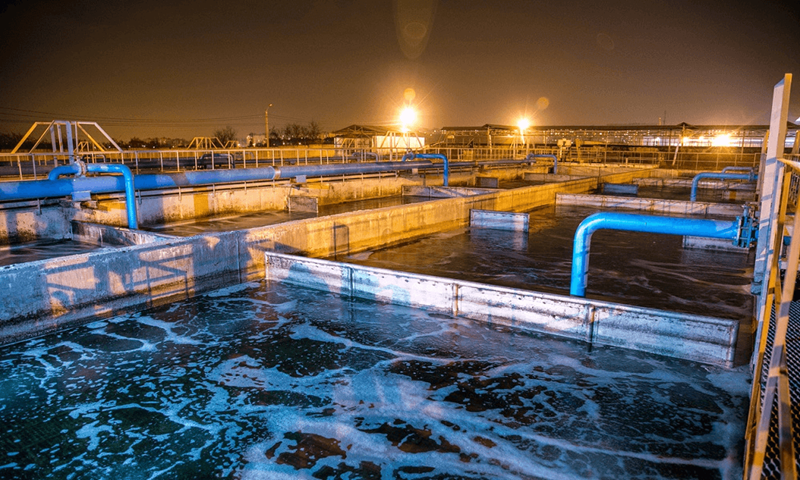
Foam looks harmless – a bit of froth in the chest or on the wire pit. But the air you can see is only part of the problem. The air you cannot see, trapped as tiny bubbles in the stock, is what slows drainage, causes pinholes and weakens the sheet.
Where foam comes from
- Surfactants from recycled fibre, deinking and coating broke.
- Starch and other additives that stabilise bubbles.
- High-shear pumps, open falls and splashing in tanks.
- Warm, closed water systems that build up dissolved material.
What it costs you
- Slower drainage – air in the stock blocks water from leaving the wire.
- Pinholes and weak spots – bubbles burst during forming.
- Breaks and deposits – foam carries pitch and dirt onto the machine.
- Overflowing tanks – lost stock and messy floors.
- Wrong consistency readings – air throws off control loops.
Two different problems, two different products
Pulp mill foam
Brown stock washing and deinking create heavy foam. A pulp mill defoamer knocks it down fast, so washers and flotation cells run at full capacity.
Paper machine air
On the machine, entrained air matters more than surface foam. A paper machine defoamer or Sapco NDW / NXZ releases fine air bubbles without leaving spots or affecting sizing.
Dosing tips
- Dose where foam is created – at the pulper, the chest or the white water silo – not where it overflows.
- Use a metering pump; a continuous small dose beats occasional big shots.
- Too much defoamer can cause spots, sizing loss or deposits. Start low.
- Fix mechanical causes too: seal open falls and check pump suction leaks.
Use cases
- Paper & pulp mills of all sizes.
- Kraft and duplex machines running recycled fibre.
- Soap & detergent and textile processing.
- Water treatment and effluent plants with foaming tanks.
Fighting foam or pinholes? Tell us where foam appears and what furnish you run – we will suggest the right defoamer and dose. Ask our team →