
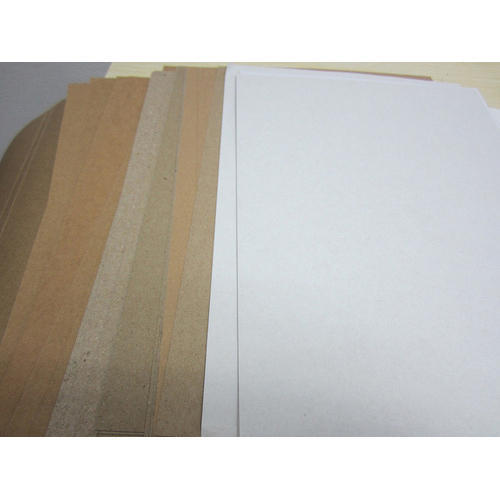
For a carton buyer, the duplex board coating is the product. It carries the print, the brand colours and the shelf appeal. The board under it can be perfect, but if the coat mottles, cracks or dusts, the order is at risk.
What goes into a coating
Pigments
Coating clay is the main pigment. Kaolite-90 and KCC Fines (Kaoline Clay) give a bright, smooth surface. Some mills add GCC for brightness or titanium dioxide for extra opacity on premium grades.
Binders
Binders glue the pigment to the board and to itself. Pidicryl 128 M acrylic binder is widely used for strength and print gloss; starch can be used as a co-binder.
Dispersants
Pidicryl 6300J and Pidicryl 6250 dispersing agents keep pigment particles apart, so the coating stays fluid at high solids.
Lubricants and others
Calcium stearate lubricant (Sapcote C-104) helps the coat flow under the blade and reduces dusting. An optical whitening agent can lift brightness.
Common coating problems and fixes
Print mottle
Uneven ink absorption. Check binder level, coat weight profile and base board smoothness.
Cracking at the fold
Coat too brittle. Raise binder or use a more flexible binder; avoid over-drying.
Dusting and picking
Not enough binder strength. Increase binder or check that the coating is fully dried and cured.
Streaks and scratches
Grit or dried lumps. Screen the coating, keep the kitchen clean and use low-grit clay.
High viscosity, poor runnability
Under-dispersed pigment. Check dispersant dose and make-down order.
Tips for a steady coat
- Make down clay with dispersant first, then add binder.
- Measure solids and viscosity every batch.
- Keep the same clay and binder lots across a production run.
- Trial new materials on one reel set before switching.
Use cases
- Duplex board for FMCG and pharma cartons.
- Packaging board with high-quality print.
Want a brighter, cleaner coat? Tell us your current formula and the problem you see – we will suggest clay, binder and dispersant options. Ask about coating →