
From grey fabric to finished cloth, a textile unit runs through desizing, scouring, bleaching, dyeing, printing and finishing. Each step has its chemicals, and the effluent at the end has to meet norms. Here is a simple overview.
Desizing
Starch size on warp yarns must be removed before wet processing. Enzymes (amylase) do this gently without damaging cotton.
Scouring and bleaching
- Alkali and surfactants remove waxes and oils.
- Hydrogen peroxide is the standard bleaching chemical for cotton – effective, chlorine-free and easy on effluent.
- An optical whitening agent gives a brilliant white on fabrics sold as white.
Dyeing
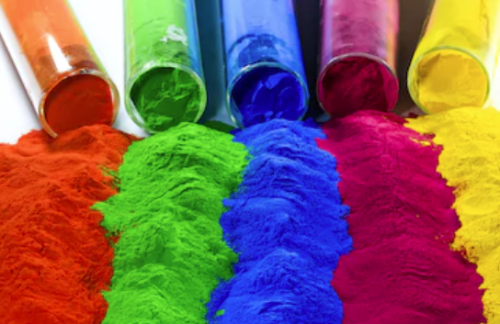
Different fibres take different dye classes. Our range includes direct dyes, basic dyes, acid dyes and pigment dyes. Consistent dye lots and good water quality are the keys to repeatable shades.
Printing
Guar gum and other thickeners give the right paste consistency for screen and rotary printing.
Finishing
Softeners, fabric enhancers and resins give handfeel and performance.
Water quality
Hard water causes uneven dyeing and dull whites. Softening with DUOLITE resins or sodium hexametaphosphate improves results.
Effluent treatment
Textile effluent carries colour, COD and high pH. A typical programme uses lime or acid for pH, PAC or alum for coagulation, a flocculant, and biological treatment. See our ETP chemicals.
Tips for dyeing units
- Test every new dye lot against a standard before bulk use.
- Soften process water – it pays back quickly.
- Control peroxide bleaching with stabilisers to avoid fibre damage.
- Keep a jar-test routine at the ETP.
Use cases
- Textile dyeing and processing houses.
- Yarn dyers and fabric printers.
Setting up or upgrading a textile line? Share your process and fibres – we will suggest chemicals for each stage. Talk to us →